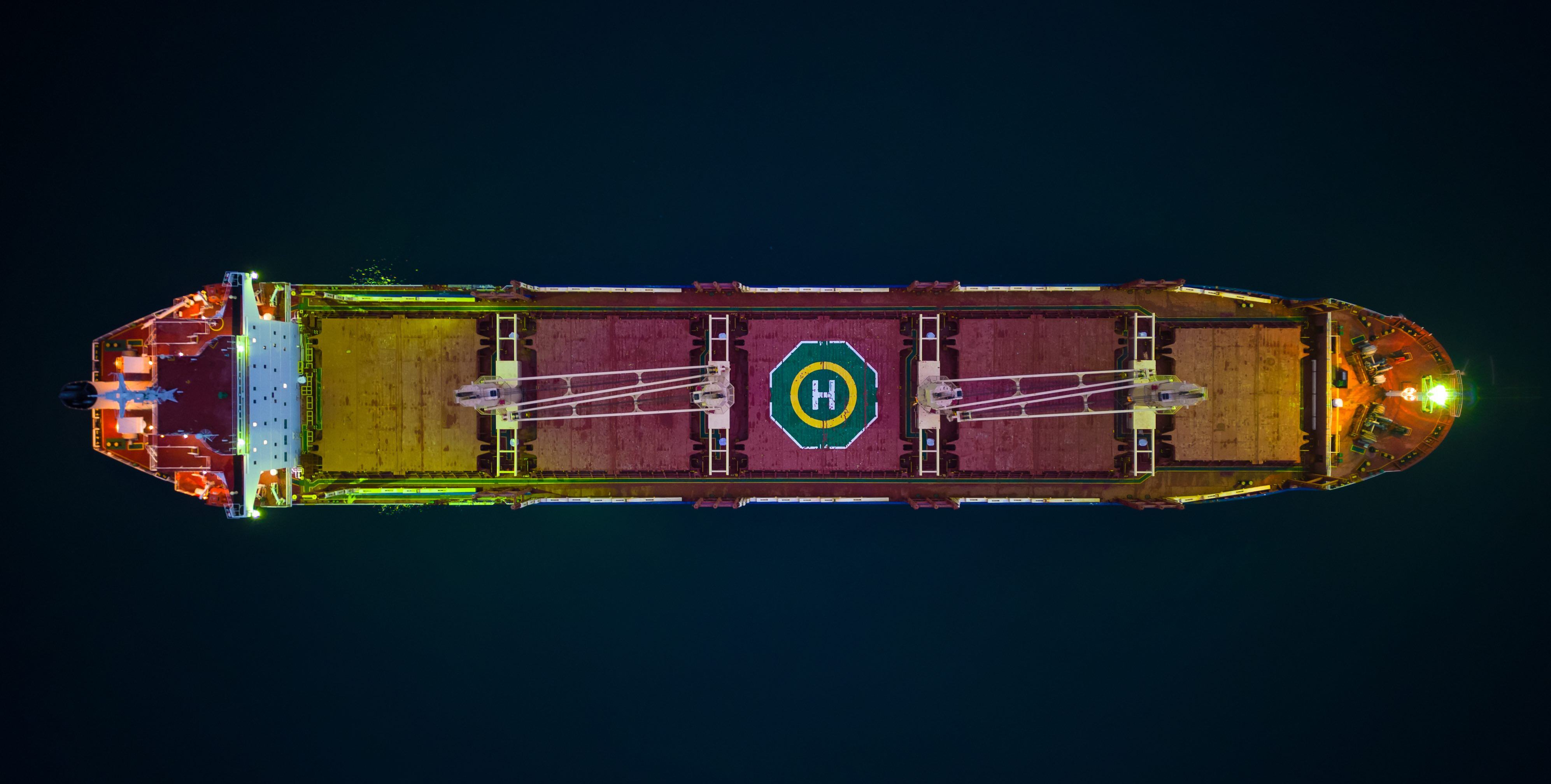
Choosing suitable shipping equipment helps protect your cargo and avoid preventable loading problems and costs. Each container type is engineered for a specific range of cargo characteristics. Selecting the wrong equipment can result in cargo damage, loading delays, regulatory holds, or avoidable surcharges.
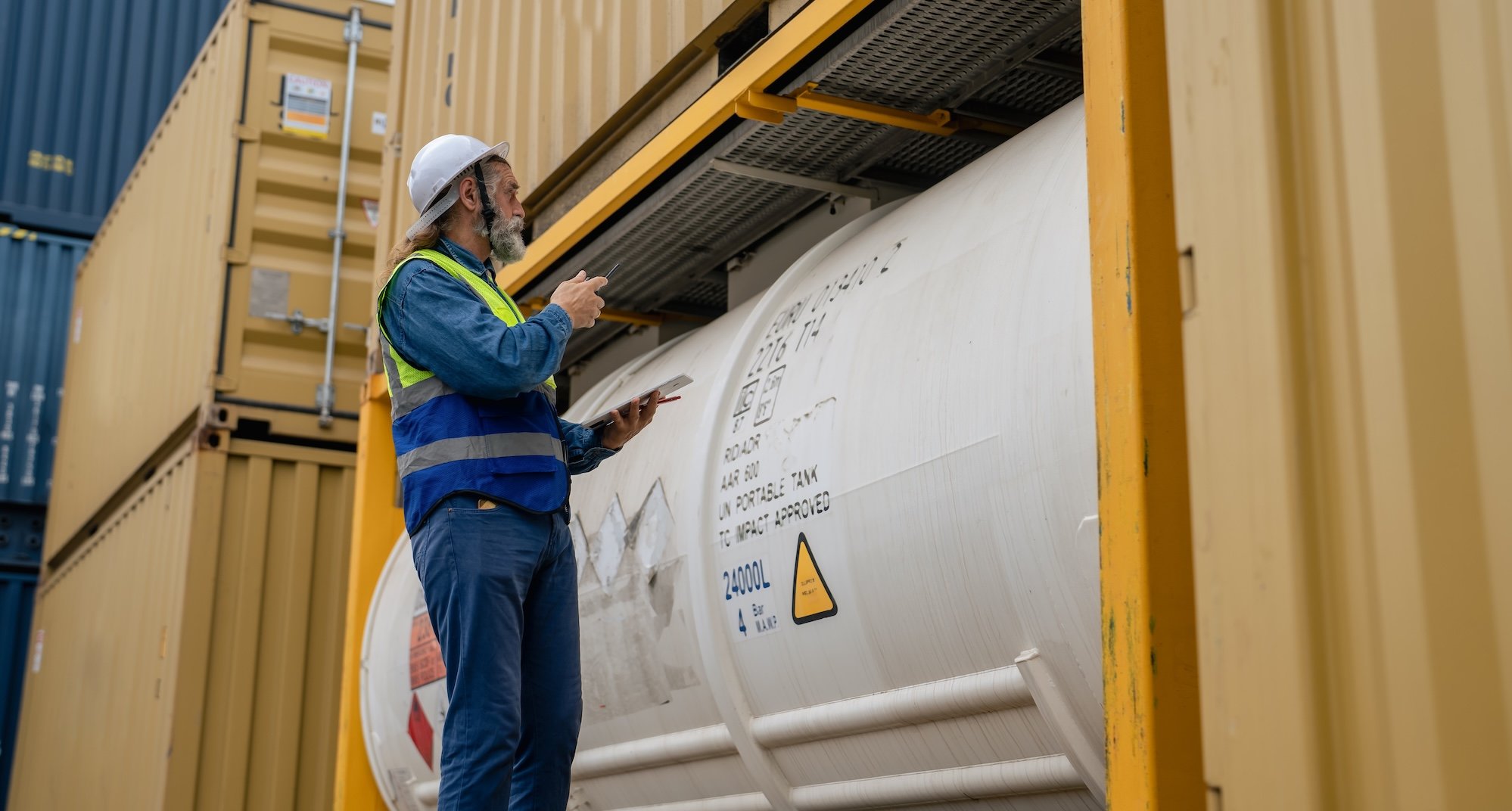
This guide covers the main types of shipping containers in ocean freight, from standard dry containers to specialized tank containers for bulk liquids. It concerns cargo-carrying containers, not port handling equipment. You will find practical guidance on dimensions, cargo suitability, loading methods, and trade-offs when preparing a booking enquiry.
Global Liner Agencies advises importers, exporters, and logistics teams on equipment selection for container, breakbulk, and project cargo shipments worldwide.
Key Takeaways: Types of Shipping Containers
- Standard 20ft and 40ft dry containers suit non-temperature-controlled general cargo, while high cube variants provide additional internal height for taller loads.
- Reefer containers maintain controlled temperatures for perishable and sensitive goods, but each commodity requires verified temperature, airflow, and stowage settings.
- Open top and flat rack containers accommodate oversized or heavy items that cannot be loaded through standard container doors.
- ISO tank containers transport bulk liquids, with tank approval, product compatibility, previous cargo history, and filling limits checked for each shipment.
- Global Liner Agencies helps importers and exporters match cargo requirements to the right container type before booking.
Start With Your Cargo Requirements
Before selecting a container, define your cargo profile across five areas. These details determine which equipment type fits your shipment and help your freight forwarder or liner agent prepare an accurate quote.
Cargo Dimensions and Volume
Measure the length, width, and height of every item in the shipment, including pallets, crating, and protective packaging. Compare these measurements against the published internal dimensions and door or roof opening dimensions of the equipment you are considering. Allow space for safe loading and securing.
If any piece approaches or exceeds the internal width or height of a standard dry container, evaluate high cube, open top, or flat rack alternatives. Container internal dimensions vary by manufacturer and age, so always confirm the specific unit's measurements with your carrier or depot.
Cargo Weight and Road Transport Limits
Every container has a rated maximum gross mass (the combined weight of the container and its contents). However, the practical payload you can load depends on the tare weight of the specific container assigned to your booking and the road transport weight limits at origin and destination.
Road weight limits vary significantly by country, by state or province, and sometimes by specific route, bridge, or chassis type. In many jurisdictions the road limit reduces the practical payload well below the container's rated capacity. Always confirm the applicable weight restrictions with your logistics provider before finalizing load plans.
Temperature, Humidity, and Atmosphere Control
Cargo that must remain within a controlled temperature range during ocean transit requires a reefer container. Fresh produce, frozen proteins, dairy products, and certain chemical or pharmaceutical intermediates are common examples.
Identify the required set-point temperature, acceptable tolerance band, target humidity, required airflow settings, and whether controlled atmosphere (CA) or modified atmosphere (MA) is needed. Not all reefer units support CA or MA, so verify the specific capabilities of the equipment your carrier offers.
Loading Access and Handling Method
Standard dry containers load through double doors at one end. If your cargo requires top-loading by crane or overhead gantry, an open top container is the appropriate choice.
Cargo that must be loaded from the side, or items that exceed the doorway width of an enclosed container, may require a flat rack or platform. Confirm the loading and discharge method at both origin and destination before selecting equipment.
Regulatory and Compatibility Requirements
Hazardous goods, foodstuffs, and pharmaceutical products each carry regulatory constraints that influence container selection. For bulk dangerous liquids, confirm the applicable portable tank instruction, special provisions, approvals, and carrier acceptance under the IMDG Code with a dangerous goods specialist.
Food-grade cargoes may require tanks with specific interior linings and certified cleaning protocols. Check with your freight provider to confirm the equipment meets applicable transport and safety requirements. Prepare the associated customs documentation separately.
20ft Dry Containers (General Purpose)
The 20ft dry container is the foundational unit of containerized shipping. It is the basis of the TEU (twenty-foot equivalent unit) measurement used across the maritime industry. These steel-framed, weather-sealed boxes are fitted with double doors at one end and represent the standard for container shipping globally.
Standard 20ft Dry Container Dimensions
A standard 20ft container has external dimensions of approximately 6.06 m long, 2.44 m wide, and 2.59 m tall. Internal dimensions are approximately 5.90 m long, 2.35 m wide, and 2.39 m tall, providing roughly 33 cubic meters of usable volume.
These dimensions are indicative, not a loading guarantee. Door openings are smaller than the interior, and packing materials and securing arrangements reduce usable space.
Suitable Cargo for 20ft Dry Containers
Dense, heavy cargo often ships in 20ft containers when the shipment reaches a weight limit before it needs a larger container. Common loads include building materials, metal products, machinery components, canned goods, and bagged commodities.
For example, a compact consignment of metal components may reach a weight limit before using the available space. Check concentrated floor loads and weight distribution as well as total mass.
Pros of 20ft Dry Containers
A 20ft container provides an enclosed option for compact general cargo without booking unused 40ft space. Its smaller footprint may help at restricted delivery sites. Standardized handling supports sea, road, and rail movements, subject to route and equipment checks.
Cons of 20ft Dry Containers
Limited internal volume makes a 20ft container less suitable for bulky, lightweight loads. It provides no active temperature or humidity control. Dense cargo can exceed local transport or floor-loading limits before the container is full, and freight savings cannot be assumed without a route-specific quote.
40ft Dry Containers (General Purpose)
The 40ft dry container offers substantially more enclosed space than a 20ft unit. It provides roughly double the internal volume of a 20ft unit and is the standard choice for consumer goods, manufacturing components, and other cargo where maximizing cubic capacity per booking is the priority.
Standard 40ft Dry Container Dimensions
External dimensions are approximately 12.19 m long, 2.44 m wide, and 2.59 m tall. Internal dimensions are roughly 12.03 m long, 2.35 m wide, and 2.39 m tall, yielding about 67 cubic meters of volume. Check the assigned unit for its actual tare weight and payload.
40ft High Cube Dry Container
The 40ft high cube has an external height of approximately 2.90 m, providing an internal height of about 2.69 m and a usable volume of roughly 76 cubic meters. The additional height suits lightweight, bulky loads when the cargo and route permit it.
A high cube provides extra height, not extra width. Confirm doorway clearance and the overall loaded vehicle height along the inland route. Confirm equipment availability rather than assuming it is offered at every origin.
Suitable Cargo for 40ft Dry Containers
Light to medium-density goods that occupy volume before reaching any weight limit are well suited to 40ft containers. Typical loads include consumer electronics, furniture, textiles, automotive parts, household goods, and packaged food products.
Pros of 40ft Dry Containers
More internal space allows you to consolidate bulky goods in one unit. A high cube adds height for suitable stacks or tall packages. This can improve space efficiency, but compare the full transport quote rather than assuming a fixed saving against two 20ft containers.
A standard dry container does not actively manage moisture or temperature. Plan packaging around voyage exposure, particularly for corrosion-sensitive components and moisture-sensitive cartons.
Cons of 40ft Dry Containers
Road weight limits in many jurisdictions reduce the practical payload, so very heavy cargo may not be able to fill the full volume. The longer length requires adequate loading dock space and sufficient turning radius at both origin and destination facilities. Some inland locations may have bridge height restrictions that limit high cube container access.
Reefer Containers (Temperature-Controlled)
Reefer containers are insulated, temperature-controlled units with an integral refrigeration system. They connect to the vessel's power supply during ocean transit and to an external generator set or shore power connection at terminals and depots.
Reefer Container Dimensions and Capacity
Reefers are available in 20ft and 40ft high cube configurations, subject to the carrier and route. Internal dimensions are smaller than a same-size dry container because insulation panels and the refrigeration machinery occupy space. Compare the actual internal dimensions and loading line with the cargo plan rather than applying a fixed percentage reduction.
Tare weights are also higher due to the insulation and machinery, further reducing the weight available for cargo. Check the specific unit's dataplate for exact internal dimensions, tare weight, and rated gross mass.
How Reefer Containers Work: Preconditioned Cargo and Airflow
For conventional chilled and frozen shipments, plan to load cargo at its required carriage temperature; do not assume the reefer can replace product pre-cooling or freezing. Follow the commodity-specific instructions agreed with the carrier. Loading warm product into a reefer overloads the refrigeration system and can result in uneven temperatures, condensation, and cargo damage.
Proper airflow inside the reefer is critical. Cargo must be stowed so that air circulates freely around and through the load. Exceeding the reefer's internal load line blocks airflow paths and compromises temperature uniformity. The carrier's reefer operating instructions specify the correct stowage pattern and maximum load height for each unit type.
Suitable Cargo for Reefer Containers
Reefers carry perishable goods such as fresh fruit, vegetables, frozen meat, seafood, dairy products, and cut flowers. They also transport temperature-sensitive industrial goods including certain adhesives, resins, and coatings that must remain within a specified range.
Some pharmaceutical raw materials require reefer transport, but each product must be assessed individually for its specific temperature, humidity, and ventilation needs. Not all pharmaceutical products are suitable for standard reefer containers. Products governed by Good Distribution Practice (GDP) guidelines may require additional qualification steps or dedicated pharmaceutical transport equipment.
Reefer Power Chain Requirements
A reefer needs a planned power supply wherever temperature control is required. Any interruption in the power supply, whether at the terminal, during inland transport, or during vessel loading and discharge, can allow temperatures to drift outside the acceptable range and compromise cargo quality.
Confirm that power connections are available at every stage of your shipment, including at the origin loading point, the export terminal, on board the vessel, the destination terminal, and during inland transport to the final delivery point.
Pros of Reefer Containers
Provides active temperature control for suitable sensitive cargo. Depending on the booked equipment and service, monitoring, ventilation, dehumidification, or controlled atmosphere can support product quality. Confirm each capability and the required settings; these features are not interchangeable or universal.
Cons of Reefer Containers
Higher freight rates than dry containers due to energy consumption and specialized equipment costs. Reduced internal volume and lower payload capacity compared to a same-size dry container. Requires coordinated power arrangements, monitoring, and contingency plans throughout the journey.
Reefer equipment availability can be constrained during peak harvest and export seasons. Cargo must be preconditioned before loading, adding time and cost to the supply chain.
Open Top Containers
Open top containers are structurally similar to standard dry containers but have a removable tarpaulin cover or convertible roof instead of a fixed steel top. This design allows cargo to be loaded and unloaded from above using cranes, overhead gantries, or other lifting equipment.
Open Top Container Dimensions and Over-Height Cargo
Open top containers are available in 20ft and 40ft sizes. The external length and width match standard dry containers. Internal dimensions are similar, though the header structure may slightly reduce the clear internal height at the top edges.
Cargo can protrude above the container side rails. This is classified as over-height or out-of-gauge cargo, incurs additional surcharges, and must be declared with exact measurements at the time of booking so the carrier can plan vessel stowage.
Suitable Cargo for Open Top Containers
Machinery, industrial equipment, large coils of steel or cable, marble slabs, and timber are common open top loads. These items are typically too tall or too heavy to push through standard end doors and require crane loading from above.
Construction materials such as prefabricated structural components and heavy pipe sections also ship in open tops when top-loading is the practical handling method.
Check the roof opening separately from internal width and length. Cargo and lifting gear must clear the opening safely. Include additional coverings and weather protection in the shipment plan where needed.
Pros of Open Top Containers
Allows top-loading for cargo that cannot be loaded through standard end doors. Accommodates over-height cargo that exceeds the internal height of a closed container. Available in both 20ft and 40ft sizes. Retains the standard container floor and end doors for conventional securing and partial end-loading.
Cons of Open Top Containers
Availability is more limited than standard dry containers across carrier fleets, so book well in advance. Tarpaulin covers provide less weather and spray protection than a fixed steel roof, so cargo may require additional protective wrapping or sheeting.
Over-height shipments attract out-of-gauge surcharges and restrict which vessel slots the container can occupy. Stacking and stowage depend on the specific unit, its approved ratings, cargo protrusions, and the carrier plan; a removable cover alone does not establish a lower stacking rating.
Flat Rack Containers
Flat rack containers consist of a heavy steel floor with two end walls (either fixed or collapsible) but no side walls or roof. Some variants have no end walls, creating a flat platform sometimes referred to as a bolster. Flat racks are purpose-built for heavy, oversized, or irregularly shaped cargo that cannot fit inside any enclosed container.
Flat Rack Container Dimensions and Declaration Requirements
Flat racks are produced in 20ft and 40ft lengths. Usable deck dimensions and clearances between end posts vary. With carrier approval, cargo can extend beyond the normal width or height envelope; check actual support points, deck loading limits, and securing space.
All over-width and over-height dimensions must be declared accurately at booking with exact measurements. These dimensions directly affect vessel stowage planning, crane handling requirements, and any inland transport permits needed at origin and destination.
Suitable Cargo for Flat Rack Containers
Heavy machinery, construction vehicles, generators, transformers, large-diameter pipes, boats, and industrial equipment that exceeds the dimensional limits of enclosed containers are typical flat rack cargo. Out-of-gauge cargo for energy, mining, and infrastructure projects frequently ships on flat racks.
Vehicles may be candidates where an approved loading method is available. A flat rack is not automatically a drive-on solution: check ramps, deck strength, wheel loads, lifting points, and the handling plan.
Total payload is only one limit. Confirm the center of gravity, concentrated loads, support positions, and lashing plan with the carrier. The CTU Code provides non-mandatory intermodal packing and securing guidance alongside applicable rules.
Pros of Flat Rack Containers
Accommodates oversized and heavy cargo that no enclosed container type can handle. Provides side-loading and top-loading flexibility for awkwardly shaped items. Collapsible end walls on some variants allow empty flat racks to be stacked for repositioning, reducing empty-return costs for carriers.
Cons of Flat Rack Containers
The open design leaves cargo without an enclosing weather barrier. Assess exposure throughout the journey and specify suitable protective packaging, corrosion protection, and drainage. Lashing and securing oversized loads requires skilled stevedores and certified securing materials.
Out-of-gauge loads may incur additional freight and handling charges based on the declared dimensions and route. Fewer vessel slots can accommodate flat rack stowage compared to standard containers. Availability at smaller ports and depots is limited, and repositioning costs can be significant.
ISO Tank Containers for Bulk Liquids
ISO tank containers are cylindrical stainless-steel pressure vessels mounted within a standard ISO container frame, typically occupying a 20ft footprint. They are designed primarily for the transport of bulk liquids. Specialized tank types exist for liquefied gases and certain powders, but these are distinct certified equipment classes and are not interchangeable with liquid tanks.
Tank Types and Certification
For dangerous liquids, the applicable UN portable tank instruction and special provisions establish technical requirements such as minimum test pressure, shell thickness, and outlet arrangements. Have the tank operator verify the actual tank approval against the specific substance; a generic description such as chemical tank is insufficient.
Tank shell material is typically 316L stainless steel, though specialized linings (rubber, epoxy, fluoropolymer) or coatings are applied for chemically aggressive cargoes. The specific lining and fitting materials must be verified as compatible with the substance being loaded, including all seals, gaskets, valves, and discharge fittings.
Filling Limits, Thermal Expansion, and Surge
Tank filling must account for both thermal expansion and liquid surge. There is no universal filling percentage suitable for every tank and product. Density, anticipated temperatures, tank design, baffles, approved gross mass, and applicable transport rules all affect the loading decision.
Overfilling creates dangerous pressure conditions and is a regulatory violation. Use the applicable rules and tank operator instructions to determine the permitted loading quantity. The ITCO filling guidance explains why free-surface effects and thermal expansion require separate checks.
Suitable Cargo for ISO Liquid Tank Containers
Food-grade liquids such as fruit juices, vegetable oils, wine, and liquid dairy products are common ISO tank commodities. Chemical products including solvents, acids, alkalis, and chemical intermediates also ship in tanks, provided the tank certification, lining, and fittings are verified as compatible with the specific substance.
Each shipment requires a compatibility assessment that covers the tank's T-code certification, shell and lining material, condition of seals and fittings, and the record of previous cargoes carried in that tank (since residues from prior loads can contaminate or react with the new cargo).
Loading, Discharge, and Cleaning Facilities
Tank containers require access to approved loading and discharge facilities at both origin and destination. These facilities must have the correct pumping equipment, hose connections, vapor recovery or venting systems, and spill containment measures for the substance being handled.
Cleaning between loads is critical. Food-grade and pharmaceutical-grade tanks require cleaning at certified tank cleaning stations with documented procedures. Chemical tanks must be cleaned and inspected to confirm the absence of residues that could contaminate the next cargo. Cleaning certificates are a standard documentation requirement for tank reuse.
Pros of ISO Tank Containers for Liquids
Efficient for bulk liquid transport, eliminating the need for intermediate packaging such as drums or IBCs. Intermodal compatibility means the same tank moves from ship to rail to truck without decanting. Reduced product waste and handling losses compared to drummed shipments. Tanks are reusable over many years and recyclable at end of life.
Cons of ISO Tank Containers for Liquids
Each tank is certified for specific substance classes only. Chemical compatibility, previous cargo history, lining condition, and seal integrity must be verified for every shipment. Cleaning between loads can be time-consuming and expensive, particularly for food-grade or pharmaceutical-grade operations.
Availability of specialized tanks (high-pressure, lined, heated, or swap-body configurations) is limited and often requires advance booking. Return logistics for empty tanks add cost, especially on trade lanes with an imbalance in liquid cargo volumes between import and export directions.
Shipping Container Comparison Table
| Container Type | Common Sizes | Loading Method | Weather Protection | Suited For | Key Trade-Off |
|---|---|---|---|---|---|
| 20ft Dry Standard | 20ft | End doors | Full (sealed steel) | Dense, heavy general cargo | Limited volume; higher per-m³ cost for light goods |
| 40ft Dry High Cube | 40ft HC | End doors | Full (sealed steel) | Tall or voluminous goods | Height restrictions on some inland routes |
| 40ft Dry Standard | 40ft | End doors | Full (sealed steel) | Volume-priority general cargo | Road weight limits may restrict heavy loads |
| Reefer | 20ft, 40ft HC | End doors | Full (insulated, sealed) | Perishables, temp-sensitive cargo | Higher cost; requires continuous power supply |
| Open Top | 20ft, 40ft | Top (crane) + end doors | Partial (tarpaulin roof) | Over-height items, crane-loaded cargo | Less weather protection; OOG surcharges |
| Flat Rack | 20ft, 40ft | Top or side; vehicle loading by approved plan | None (open) | Oversized, heavy, project cargo | Full weather exposure; complex lashing |
| ISO Tank (Liquid) | 20ft frame | Through approved fittings; arrangement varies | Full (sealed tank) | Bulk liquids (food, chemical) | Substance-specific certification required |
Prebooking Selection Checklist for Shipping Containers
Use this checklist before contacting your freight forwarder or liner agent to confirm you have the information needed for an accurate equipment request.
- Measure every item precisely. Record length, width, height, and gross weight of each piece including packaging and pallets. Compare against the published internal dimensions of container types you are considering.
- Identify temperature and atmosphere requirements. Note the required set-point temperature, acceptable tolerance, humidity range, airflow setting, and whether controlled or modified atmosphere is needed. Confirm cargo will be preconditioned to the target temperature before loading.
- Determine the loading and unloading method. Confirm whether cargo loads through end doors, from the top via crane, or from the side. This determines whether you need a standard, open top, or flat rack container.
- Confirm road weight limits at origin and destination. Contact your logistics provider to verify the specific road, bridge, and chassis weight restrictions that apply to your shipment route. The container's rated gross mass is not always the practical limit.
- Verify regulatory requirements. For hazardous goods, confirm the UN class, packing group, and required tank or container certification. For food and pharmaceutical cargo, confirm food-grade or GDP-qualified equipment requirements.
- Check equipment availability at your port. Specialized containers (reefers, open tops, flat racks, ISO tanks) may have limited availability at smaller ports or during peak export seasons. Request equipment availability early and confirm lead times.
- Request a survey for out-of-gauge cargo. If your cargo exceeds standard container dimensions, provide exact measurements to your logistics partner so they can assess stowage feasibility and applicable surcharges before booking.
- Confirm inland transport compatibility. Verify that the selected container type can be transported by road, rail, or barge to the final delivery point. High cube containers may face height restrictions on certain inland routes, tunnels, or bridges.
Global Liner Agencies provides equipment selection guidance as part of its shipping advisory services. A dedicated account manager can help you match your cargo profile to the right container type and confirm equipment availability across your chosen trade lane.
In Conclusion: How to Choose the Right Shipping Container for Your Cargo
Selecting the correct container starts with a thorough understanding of your cargo's physical dimensions, weight, temperature sensitivity, and loading requirements. Standard dry containers suit general cargo without active temperature control, but perishables, oversized items, and bulk liquids each require purpose-built equipment with specific certification and operational requirements.
Confirm applicable road weight limits and equipment availability before booking, especially for specialized container types. Early coordination with your logistics provider reduces the risk of delays, surcharges, and equipment mismatches. If you are uncertain which container type suits your shipment, consult an experienced maritime logistics partner who can evaluate your cargo profile and recommend the appropriate solution.
FAQs About Types of Shipping Containers
What is the difference between a standard and high cube container?
A high cube container is approximately 30 cm taller than a standard container, providing an internal height of roughly 2.69 m compared to approximately 2.39 m. This additional height increases usable volume and accommodates taller cargo or additional stacking layers. Confirm the specific unit and its doorway dimensions before finalizing a loading plan.
Can I ship hazardous goods in a standard dry container?
Certain hazardous goods classes can be shipped in standard dry containers with proper packaging, labeling, marking, and documentation per IMDG Code requirements. Bulk hazardous liquids typically require certified tank containers that meet the applicable UN portable tank instruction.
Always verify the requirements for your commodity's UN number and packing group, where assigned, with your freight provider before booking.
How do I know if my cargo needs a reefer container?
Your cargo needs a reefer if it must remain within a controlled temperature range during ocean transit. Fresh produce, frozen proteins, dairy, certain chemicals, and some pharmaceutical materials fall into this category.
Confirm the required temperature range and airflow settings with your logistics provider. Ensure the cargo is preconditioned to the target temperature before loading.
What determines the practical weight limit for a shipping container?
The practical payload depends on the container's rated gross mass, its tare weight, and the road transport regulations at both origin and destination. Local road weight limits, bridge restrictions, and chassis ratings often reduce the usable payload below the container's rated capacity. Global Liner Agencies advises clients to confirm the applicable weight limits for each specific shipment route.
When should I use an open top instead of a flat rack?
Use an open top container when your cargo fits within the standard container width but requires top-loading by crane or exceeds the internal height of a standard closed container.
Choose a flat rack when your cargo also exceeds the standard width or requires side-loading access. Flat racks accommodate over-width and over-height dimensions that open top containers cannot.
Are ISO tank containers suitable for all types of liquids?
No. Each ISO tank is certified under a specific UN portable tank instruction that defines which substance classes the tank can carry. A food-service designation does not by itself establish chemical suitability, and technical compatibility alone does not make a chemical-service tank acceptable for food cargo.
You must verify the tank's T-code certification, lining compatibility, seal condition, and previous cargo history for every shipment. Global Liner Agencies can help you identify the right tank specification and container requirements for your commodity.
Ready to start shipping your goods?